Simple ways to beat the summer heat and enjoy a more comfortable home.
Summer in the Central North Island means longer days, backyard barbecues, trips to the lake and plenty of sunshine. But while we love spending time outdoors, there’s nothing worse than coming home to a house that feels like an oven!
Whether you’re in Taupo, Rotorua Lakes District, South Waikato or Ruapehu District, keeping your home comfortable during those hot summer days can sometimes be a challenge.
The good news? You don’t always need to rely on air conditioning to beat the heat. A few simple changes, along with good insulation, can make a real difference to how comfortable your home feels.
Here are five practical ways to help keep your home cooler this summer.
1. Keep the Sun Out During the Hottest Part of the Day
One of the easiest ways to prevent your home from overheating is to stop the sun’s heat from entering in the first place.
Windows can let a surprising amount of heat into your home, particularly those facing north and west during summer.
Try these simple tips:
Close curtains and blinds on windows receiving direct sunlight, especially during the afternoon.
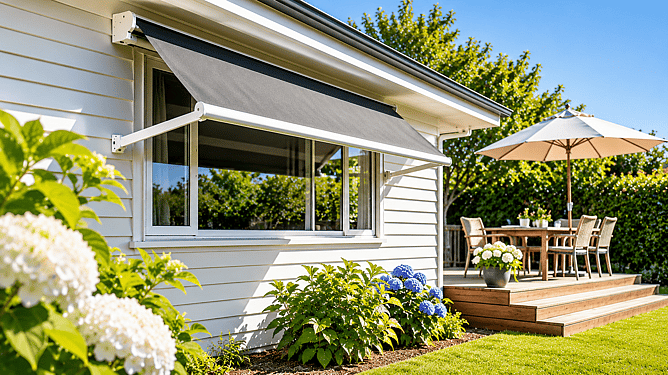
Consider external shading, such as awnings, shade sails or outdoor blinds.
Plant deciduous trees or use suitable landscaping to provide natural shade during summer while allowing winter sunshine through.
External shading can be particularly effective because it helps stop the sun’s rays before they reach the glass.
A little shade can go a long way towards making your living spaces more comfortable.
2. Make the Most of Natural Ventilation

Fresh air can be one of your best tools for cooling your home, particularly when the temperature outside drops.
Opening windows and doors at the right time can help release warm indoor air and bring in cooler air.
Here’s how to make the most of natural ventilation:
Open windows early in the morning and later in the evening when it’s cooler outside.
Create cross-ventilation by opening windows on opposite sides of your home, where practical.
Use security stays or insect screens where needed so you can ventilate safely.
Close windows when the outside air becomes hotter than the air inside.
The key is timing. Leaving windows wide open during the hottest part of the day can sometimes make your home warmer rather than cooler.
By making the most of cooler morning and evening air, you can help create a more comfortable indoor environment.
3. Make Sure Your Insulation Is Doing Its Job
When most people think about insulation, they think about keeping warm in winter. But did you know that insulation also helps keep your home cooler during summer
Insulation works by slowing the transfer of heat.
During winter, it helps prevent warmth from escaping. During summer, it helps reduce the amount of outside heat entering your home.
Ceiling insulation is particularly important because your roof can absorb significant heat from the summer sun. Without adequate insulation, some of that heat can transfer through the ceiling and into the rooms below.
If your insulation is old, damaged, uneven or insufficient, it may not be performing as effectively as it should.
Having your insulation professionally assessed can help identify whether improvements are needed.
And the best part? Any improvements you make now can also help keep your home warmer when winter rolls around again.
Want to know more? Read our companion blog, Does Insulation Keep Your Home Cool in Summer?, to discover how insulation works throughout the year.
4. Use Fans and Cooling Appliances Wisely
You don’t always need to run an air conditioner all day to feel more comfortable.
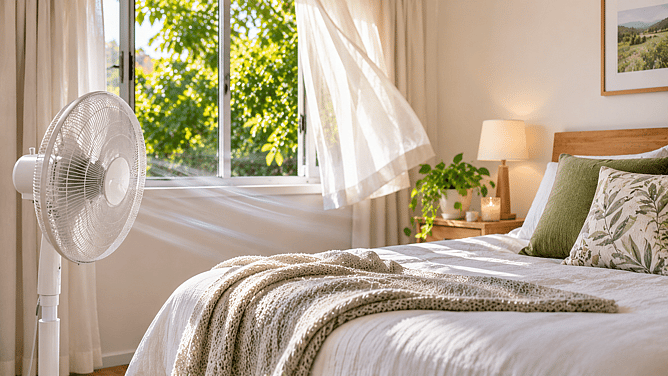
Fans are a simple, energy-efficient way to help you feel cooler by moving air around your home.
Ceiling fans, pedestal fans and portable fans can all help improve comfort, particularly when combined with good ventilation.
A few useful tips:
Position fans where they can create a comfortable breeze in occupied rooms.
Use fans alongside open windows when the outside air is cooler.
Turn fans off when nobody is in the room, as they primarily cool people rather than the air itself.
If you’re using a heat pump in cooling mode, keep doors and windows closed while it’s operating and choose a comfortable thermostat setting rather than the lowest possible temperature.
Using your cooling appliances efficiently can help keep electricity costs under control while maintaining a comfortable home.
5. Reduce the Heat You Create Inside
Sometimes, the heat making your home uncomfortable isn’t just coming from outside.
Everyday activities such as cooking, using appliances and running certain electrical devices can add warmth to your home.
During hot weather, reducing unnecessary indoor heat can make a difference.
Try these simple changes:
Avoid using the oven during the hottest part of the day where possible.
Make the most of your barbecue and enjoy cooking outdoors.
Turn off lights and appliances when they’re not needed.
Use extractor fans when cooking to help remove heat and moisture.
Consider doing heat-producing household tasks during cooler parts of the day.
These small adjustments can help reduce unwanted heat build-up, especially during particularly warm afternoons.
A Cooler Summer Starts With a More Comfortable Home
Keeping your home cool during summer doesn’t have to be complicated.
By combining effective shading, natural ventilation, sensible appliance use and quality insulation, you can help create a more comfortable living environment for the whole family.
And while these tips can make summer more enjoyable, good insulation offers benefits well beyond the warmer months.
It helps reduce heat loss during winter, improves year-round comfort and can help reduce the energy needed for heating and cooling.
Keep cool this summer, stay warm next winter!
Is Your Home Properly Insulated?
If your home gets uncomfortably hot during summer or struggles to stay warm in winter, it might be time to check your insulation.
At Easy Insulation, we help homeowners across Taupo, Rotorua Lakes District, South Waikato and Ruapehu District with professional ceiling and underfloor insulation assessments and installations.
You may also qualify for financial assistance through EECA’s Warmer Kiwi Homes programme or other available insulation funding options.
Our friendly team can help you understand your insulation needs and explore the options available for your home.
Ready to make your home more comfortable all year round?
Call 0800 327 946, email office@easyinsulation.co.nz, or contact us online.
Frequently Asked Questions
What is the easiest way to keep my house cool in summer?
Start by keeping direct sunlight out with curtains, blinds or external shading. Open windows when the outside air is cooler, use fans to improve comfort and make sure your home has adequate insulation. Combining these measures is generally more effective than relying on just one.
Should I leave my windows open all day during summer?
Not necessarily. If the outside air is hotter than the air inside your home, leaving windows open may allow more heat to enter. It’s often better to ventilate early in the morning or later in the evening when temperatures are cooler, then close windows during the hottest periods.
Does insulation help keep a house cool in summer?
Yes. Insulation slows heat transfer, helping reduce unwanted heat entering your home through the ceiling, walls and other insulated areas. It works best alongside effective window shading and ventilation.
Is ceiling insulation important for summer cooling?
Yes. Your roof absorbs heat from the sun, which can transfer into your living spaces. Quality ceiling insulation helps slow this heat transfer, making it an important part of maintaining comfortable indoor temperatures.
Are fans cheaper to run than air conditioning?
Generally, yes. Portable and ceiling fans typically use much less electricity than air conditioning systems. However, fans mainly help people feel cooler through air movement rather than significantly lowering the room’s air temperature.
Can I get financial assistance to upgrade my insulation?
You may be eligible for an insulation subsidy through EECA’s Warmer Kiwi Homes programme or other local funding arrangements. Eligibility depends on factors such as your home, location and circumstances.
Easy Insulation can help you check which funding options may be available.


