
Keep Cool This Summer, Stay Warm Next Winter
When you think about home insulation, you probably picture frosty winter mornings, chilly evenings and keeping the warmth inside your home. But did you know that insulation can be just as beneficial during summer?
With El Niño conditions influencing New Zealand’s weather and above-average temperatures forecast to be more likely across parts of the North Island heading into summer, keeping your home comfortable during the warmer months is worth thinking about.
For homeowners across Taupo, Rotorua Lakes District, South Waikato and Ruapehu District, where temperatures can vary considerably between seasons, good insulation can make a real difference all year round.
So, how exactly does insulation help keep your home cooler in summer?
A Warmer Summer Ahead? What El Niño Could Mean for Your Home
According to NIWA’s seasonal climate outlook for November 2026 to January 2027, El Niño conditions are expected to have a significant influence on New Zealand’s weather.
The outlook indicates that above-average temperatures are more likely than below-average temperatures across much of the North Island, including the Central North Island.
While this doesn’t mean every day will be hot and sunny, it does highlight the importance of preparing your home for warmer conditions.
If you’ve ever walked into your house on a hot summer afternoon and found it feeling more like an oven than a comfortable retreat, you’re certainly not alone.
The good news is that effective insulation, combined with good ventilation and shading, can help make your home more comfortable when temperatures rise.
How Does Insulation Keep Your Home Cool?
Most people understand that insulation helps keep warmth inside during winter. What many don’t realise is that it also works in the opposite direction.
Insulation slows the transfer of heat between the inside and outside of your home.
During winter, this helps reduce heat escaping through your ceiling, walls and floors.
During summer, insulation helps slow heat entering your home from outside, particularly through the roof and ceiling, where the summer sun can create significant heat build-up.
Think of it a bit like a chilly bin. The insulation helps slow heat moving in or out, keeping the contents at a more consistent temperature for longer.
Your home works in much the same way.
However, insulation doesn’t actively cool your home. It’s most effective when combined with good ventilation, window shading and other practical ways of managing indoor temperatures.
Why Ceiling Insulation Is Particularly Important in Summer
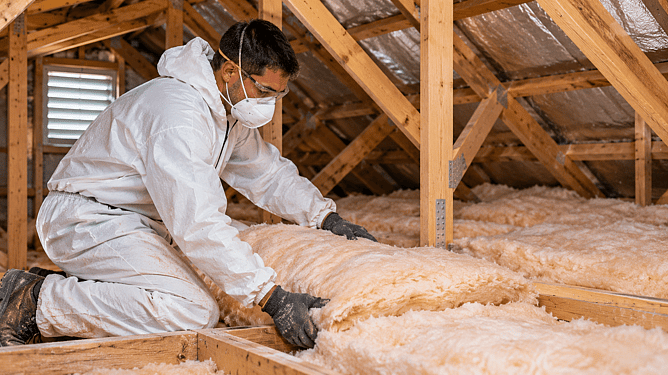
On a sunny summer day, your roof absorbs heat from the sun. That heat can build up in the roof space and gradually transfer through the ceiling into the rooms below.
Without adequate ceiling insulation, this can contribute to uncomfortable indoor temperatures, especially during the afternoon and evening.
Quality ceiling insulation helps reduce the amount of heat transferring from your roof space into your living areas.
This can be particularly beneficial in bedrooms, living rooms and other spaces where you want to maintain a comfortable temperature throughout the day.
If your ceiling insulation is old, damaged, uneven or below recommended levels, it may not be performing as effectively as it should.
Having your existing insulation assessed is a good place to start.
Better Summer Comfort Could Also Mean Lower Energy Bills
When your home becomes uncomfortably hot, it’s tempting to turn on the air conditioning and leave it running.
However, keeping your home cool this way can increase your electricity costs.
A well-insulated home can help slow unwanted heat entering, potentially reducing the amount of cooling needed to maintain a comfortable temperature.
And when winter arrives, the same insulation helps retain warmth, reducing heat loss and helping your heating system work more efficiently.
That’s the real benefit of quality insulation – year-round comfort and improved energy efficiency.
Summer Is a Great Time to Get Your Insulation Sorted
It’s easy to forget about insulation once the cold winter months are behind us.
But summer is actually a great time to check your home’s insulation and arrange any necessary improvements.
By getting organised now, you can enjoy the benefits of improved summer comfort while making sure your home is ready for next winter.
You’ll also be getting ahead of the seasonal rush when colder weather arrives and insulation enquiries increase.
Whether your home needs new ceiling insulation, underfloor insulation or an upgrade to existing insulation, the Easy Insulation team can help you find the right solution.
Could You Qualify for an Insulation Subsidy?
If you’ve been putting off insulating your home because of the cost, you may be surprised at the financial assistance available.
Through EECA’s Warmer Kiwi Homes programme, eligible homeowners can receive funding covering 50–90% of the cost of approved ceiling and underfloor insulation, depending on their circumstances and location.
Additional support may also be available through Maru Energy Trust.
Easy Insulation can help you understand the available options and determine whether your home may qualify.
Find out more about insulation subsidies or fill out our insulation subsidy enquiry form to see if you qualify.
Keep Cool This Summer, Stay Warm Next Winter
Insulation isn’t just a winter investment. It’s an important part of creating a more comfortable, energy-efficient home throughout the year.
With summer underway and the next winter always around the corner, there’s no better time to check whether your home’s insulation is doing its job.
At Easy Insulation, we help homeowners across Taupo, Rotorua Lakes District, South Waikato and Ruapehu District with professional insulation assessments and installations.
Ready to make your home more comfortable all year round?
Call our friendly team on 0800 327 946 or contact us online to discuss your insulation needs.
Keep cool this summer. Stay warm next winter. Make insulation easy with Easy Insulation.
Frequently Asked Questions
1. Does insulation really keep your house cooler in summer?
Yes. Insulation slows the transfer of heat into your home, particularly through the ceiling and roof area. This can help reduce unwanted heat gain and maintain a more comfortable indoor temperature, especially when combined with shading and ventilation.
2. Can insulation make your house too hot in summer?
Insulation doesn’t generate heat, but it does slow heat transfer in both directions. If your home becomes hot during the day, insulation can also slow the escape of that heat. That’s why good ventilation, especially when it’s cooler outside, and effective window shading are important alongside insulation.
3. Is ceiling insulation worth having in summer?
Absolutely. Your roof can absorb a significant amount of heat from the summer sun. Ceiling insulation helps reduce the amount of that heat transferring into your living spaces, making it an important part of managing indoor temperatures.
4. Will insulation reduce my air conditioning costs?
It can. By slowing unwanted heat entering your home, effective insulation may reduce the amount of cooling needed to maintain a comfortable temperature. Actual savings depend on factors such as your home’s design, existing insulation, shading, ventilation and how you use your air conditioning.
5. Do I need to replace my existing insulation?
Not necessarily. If your existing insulation is in good condition, correctly installed and meets appropriate performance levels, replacement may not be needed. However, insulation that is damaged, compressed, uneven or insufficient may benefit from upgrading. A professional assessment can help determine what’s required.
6. Can I get a subsidy to insulate my home?
You may be eligible. EECA’s Warmer Kiwi Homes programme offers funding towards approved ceiling and underfloor insulation for qualifying homeowners. Grant levels depend on eligibility and location, and additional assistance may be available through other funding programmes.
Easy Insulation can help you check what funding may be available for your home.
7. When is the best time of year to install insulation?
Insulation can be installed throughout the year, but summer is a great time to get organised. You’ll be able to improve your home’s year-round comfort and have everything ready before the colder winter months arrive.


