Why they happen and how better insulation fixes them
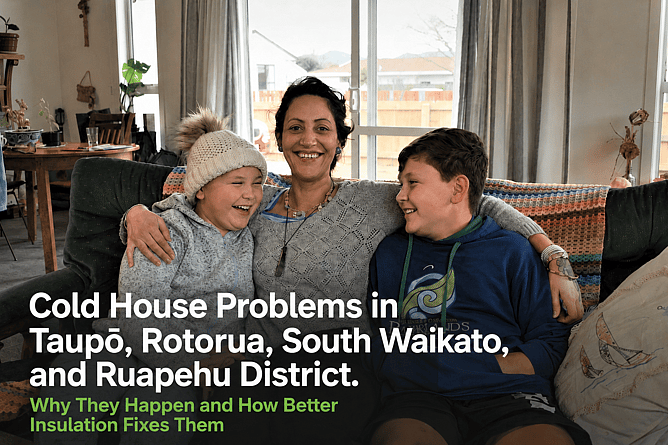
Across Taupo, Rotorua, South Waikato, and Ruapehu District regions, many households deal with the same frustrating issues every winter: cold rooms, rising power bills, dampness, and temperatures that vary from one part of the house to another. These problems are not just uncomfortable—they often point to poor insulation performance.
The reality is that many homes in this region were built before modern insulation standards were introduced. Even where insulation exists, it may be thin, poorly installed, or simply worn out after years of use. When insulation stops doing its job, the entire house becomes harder to heat and maintain.
Let’s take a closer look at the most common cold house problems in Taupo, Rotorua, South Waikato, and Ruapehu District homes — high energy bills, damp or mould issues, uneven room temperatures, and poor insulation performance — and explains how proper insulation can resolve them.
Cold house problems in Taupo, Rotorua, South Waikato, and Ruapehu District are more common than you think
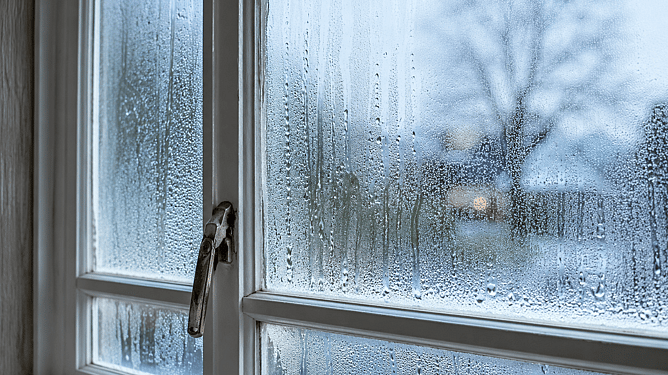
Winter in Taupo, Rotorua, South Waikato, Ruapehu District and surrounding areas can be particularly challenging. Overnight frosts are common, and damp conditions can linger throughout the colder months.
When a house is not properly insulated, heat escapes quickly, and cold air finds its way inside. Over time, this creates a pattern of ongoing problems.
You may notice:
The house feels cold even when the heater is running
Power bills increase significantly during winter
Some rooms are warm while others remain cold
Floors feel cold underfoot
Windows collect condensation
Damp smells appear in certain areas
Mould forms on walls or ceilings
These are classic signs of insulation that is missing, damaged, or no longer performing effectively.
High Energy Bills – A clear sign of poor insulation performance

One of the first warning signs of insulation problems is a steady increase in power costs.
In many Taupo, Rotorua, South Waikato, and Ruapehu District homes, heating systems work harder than necessary because warm air escapes too quickly. Without proper insulation, the heat produced by heaters does not stay inside the home. Instead, it rises through the ceiling or leaks through the floor and walls.
This means:
Heaters run longer
Energy use increases
Power bills rise
Even newer heaters cannot overcome poor insulation. They simply compensate for heat loss, which becomes expensive over time.
In fact, many homeowners are surprised to discover that improving insulation can reduce heating costs more effectively than upgrading heating appliances.
Proper insulation helps by:
Retaining heat inside the home
Reducing the workload on heaters
Stabilising indoor temperatures
Lowering ongoing energy costs
In colder areas like Taupo, Rotorua, South Waikato, and Ruapehu District, where heating is used for extended periods each year, these savings can be significant.
Damp or Mould Issues Often Start With Cold Surfaces
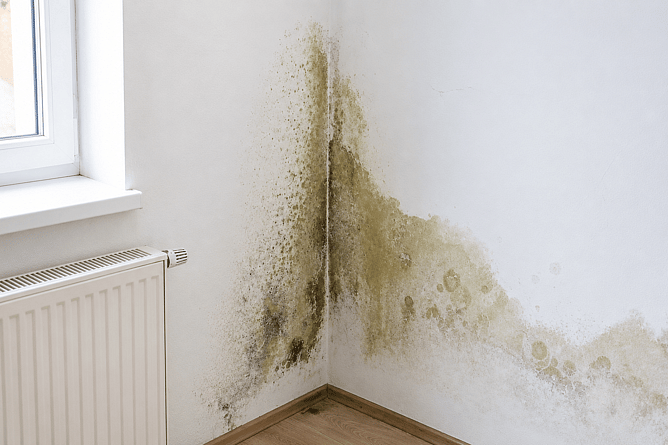
Dampness and mould are common problems in homes throughout the Central Plateau, particularly in older properties.
These issues often begin when warm indoor air meets cold surfaces such as ceilings, walls, or floors. Moisture forms as condensation, and over time, this can lead to mould growth.
Poor insulation makes this worse because it allows surfaces to become colder than they should be.
You may notice:
Condensation on windows in the morning
Musty smells in certain rooms
Mould on ceilings, walls or windowsills
Damp bedding or clothing
Peeling paint or wall damage
These conditions are not just unpleasant—they can also affect health, especially for children, older adults, and people with respiratory conditions.
Insulation helps by keeping surfaces warmer and reducing the conditions that allow moisture to build up.
This leads to:
Less condensation
Reduced mould growth
A drier indoor environment
Improved overall comfort
In many cases, addressing insulation is the most effective step in managing damp and mould problems.
Uneven Room Temperatures – Why some rooms stay cold
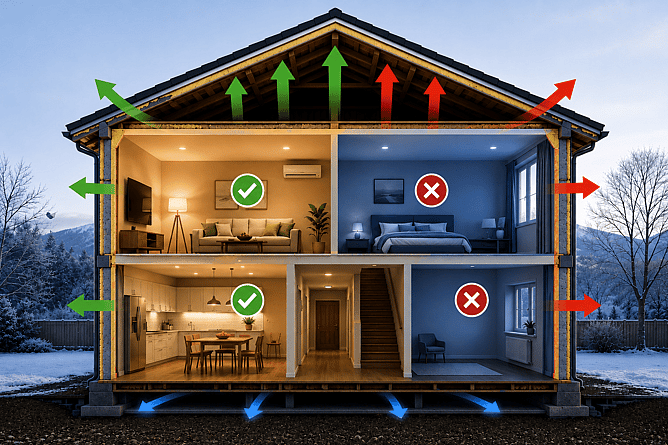
Another common complaint in Taupo, Rotorua, South Waikato, and Ruapehu District homes is uneven temperatures from one room to another.
You might experience:
A warm living room, but cold bedrooms
A comfortable upstairs area, but cold ground-level rooms
One side of the house is warmer than the other
This usually happens when insulation coverage is inconsistent or incomplete.
For example:
Ceiling insulation may be thin or missing in certain sections
Underfloor insulation may not cover the entire area
Wall insulation may be absent in older homes
You might not have a ground moisture barrier
When insulation performance varies throughout the house, temperatures become uneven. Some rooms retain heat, while others lose it quickly.
Upgrading insulation creates a more balanced indoor environment by:
Reducing heat loss across the entire home
Maintaining consistent temperatures
Improving comfort in all rooms
Many homeowners report that previously cold rooms become usable again once insulation is improved.
Poor Insulation Performance – A hidden but common problem
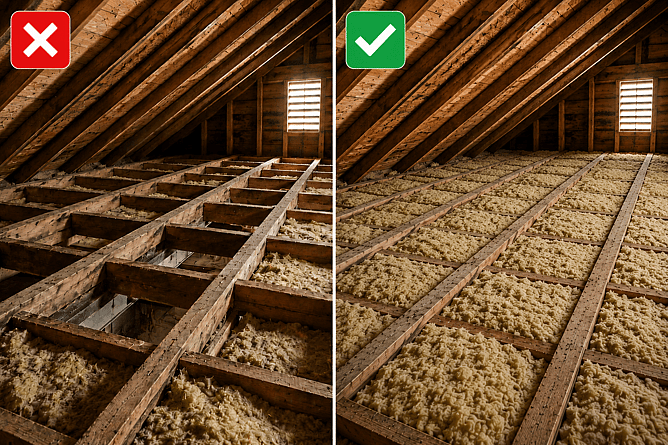
Even homes that already have insulation can suffer from poor performance.
Over time, insulation materials can:
Compress
Shift out of place
Become damp
Lose effectiveness
This is particularly common in homes built before the year 2000.
In these properties, insulation may:
Be thinner than modern standards require
Have gaps or missing sections
No longer provides adequate protection against heat loss
Because insulation is hidden inside ceilings and under floors, many homeowners assume it is still working properly when it is not.
A professional inspection often reveals that the insulation simply needs upgrading to meet current performance levels.
The Key Areas Where Insulation Makes the Biggest Difference
When addressing cold house problems, it is important to focus on the areas where heat loss occurs most frequently.
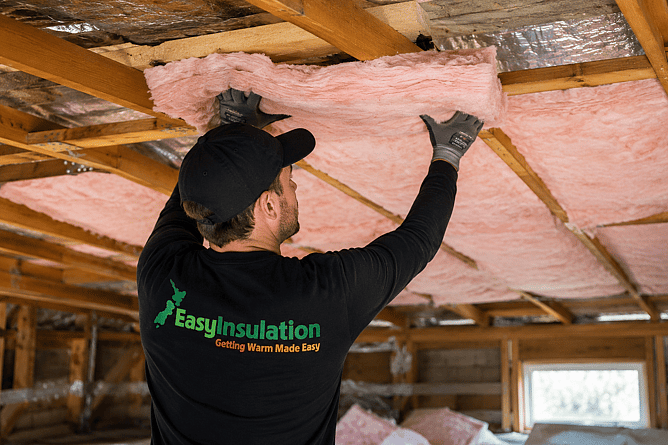
Heat naturally rises, making the ceiling the main escape route for warmth.
Without effective ceiling insulation:
Heat is lost quickly
Rooms cool down faster
Heating costs increase
Upgrading ceiling insulation is often the most impactful improvement for cold homes in Taupo, Rotorua, South Waikato, and Ruapehu District.
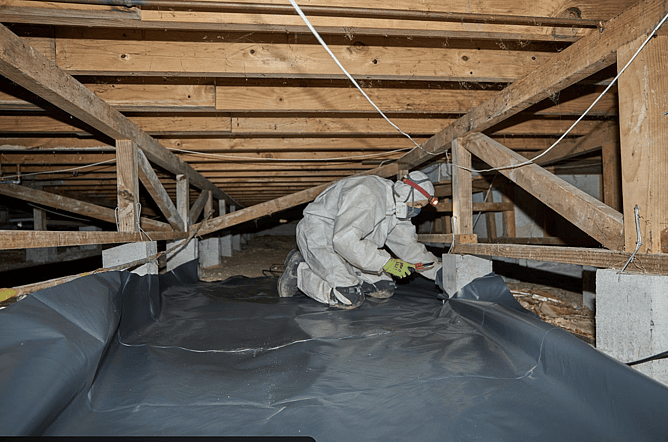
UNDERFLOOR INSULATION AND GROUND VAPOUR BARRIER
Many homes in the region are built on piles, leaving open space beneath the floor.
Without Underfloor Insulation and Ground Moisture Barriers:
Cold air circulates below the house
Floors become cold
Heat escapes downward
Installing insulation beneath the floor and a ground vapour barrier helps maintain indoor warmth and improves comfort significantly.
Insulation Upgrades for Older Homes
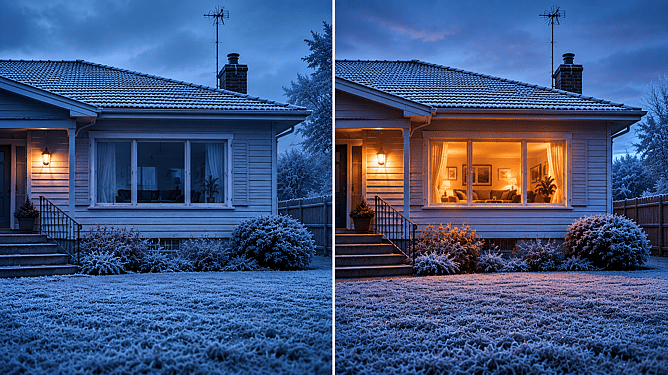
Older homes are especially vulnerable to insulation problems.
Common issues include:
No insulation was installed originally
Insulation that no longer meets current standards
Partial or uneven coverage
No ground moisture barrier
Upgrading insulation in these homes can transform indoor comfort levels almost immediately.
Why These Problems are Particularly Relevant in Taupo, Rotorua, South Waikato, and Ruapehu District
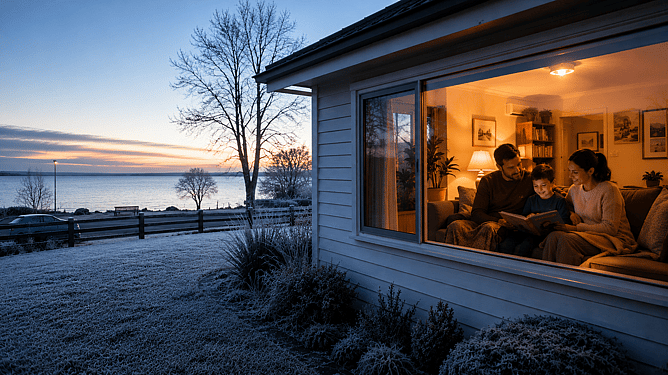
The local climate and housing conditions make insulation especially important in this region.
Key factors include:
Cold winters
Frequent frost
Damp ground conditions
Older housing stock
Long heating seasons
These conditions place extra pressure on insulation systems. When insulation performance is poor, the effects become very noticeable.
That is why many households in Taupo, Rotorua, South Waikato, and Ruapehu District experience persistent cold house problems until insulation is addressed.
Government Assistance may be Available

Many homeowners in the region may qualify for support through the Warmer Kiwi Homes programme.
This funding can help cover the cost of:
Ceiling insulation
Underfloor insulation
Ground Moisture Barriers
Insulation upgrades
Eligibility often depends on:
Household income
Location
Age of the home
In some cases, insulation can be installed at a significantly reduced cost or even FREE.
When to Consider an Insulation Assessment
You should consider checking your insulation if:
Your home feels cold during winter
Your energy bills are increasing
You notice dampness or mould
Rooms have uneven temperatures
Your insulation is more than 15–20 years old
You are unsure whether your insulation meets current standards; an assessment can quickly identify whether insulation performance is the cause of the problem. (Fill out the form on our contact page)


