Many New Zealand homes have insulation — but that doesn’t mean it’s still doing its job.
Insulation can deteriorate, shift, become damp, or simply fall well short of modern standards. In some cases, insulation installed decades ago is now costing homeowners money through heat loss and higher power bills.
Here are some clear warning signs that your insulation may need replacing or upgrading.
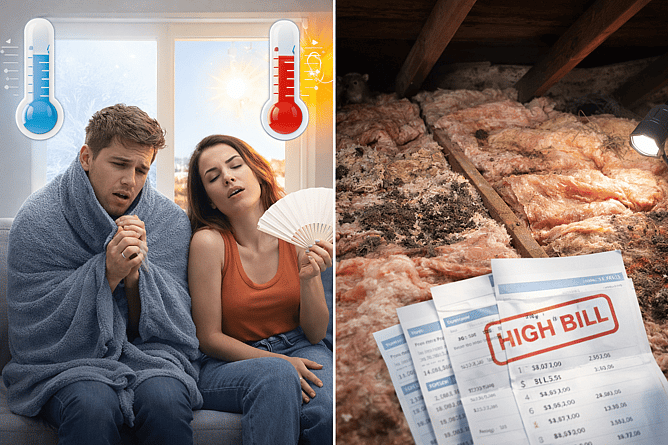
1. Your Home is Cold in Winter and Hot in Summer
If your home struggles to stay warm in winter or overheats quickly in summer, poor insulation is often the cause.
Effective insulation helps:
Keep heat inside during winter
Reduce heat entering the home during summer
If indoor temperatures fluctuate wildly, your insulation may be thin, damaged, or poorly installed.
2. High Power Bills with no clear reason
Insulation plays a major role in how hard your heater or heat pump has to work.
If your power bills seem high despite:
Using heating sparingly
Having modern appliances
Closing doors and windows
… your insulation may no longer be performing effectively.
3. Insulation Looks Thin, Patchy, or Uneven
Over time, insulation can:
Settle and compress
Shift away from areas it should cover
Be damaged by pests or moisture
In ceilings especially, older insulation often looks flat or uneven and no longer meets today’s R-value standards.
4. Dampness, Condensation, or Mould Issues
Poor insulation can contribute to:
Cold surfaces that attract condensation
Damp air trapped inside the home
Increased risk of mould growth
If you regularly notice condensation on windows or mould in corners, insulation (especially underfloor or ceiling insulation) may need upgrading.
5. Your Home Was Built or Insulated Before Modern Standards
Many older homes were insulated to much lower standards — or not insulated at all.
If your home was:
Built before insulation became mandatory
Insulated more than 15–20 years ago
Insulated inconsistently (e.g. ceiling only)
…it’s very likely your insulation falls short of today’s expectations for comfort and efficiency.
6. You’re a Landlord and Unsure About Compliance
Rental properties in New Zealand must meet Healthy Homes Standards, including minimum insulation requirements.
If you’re unsure whether your rental complies, relying on old insulation can be risky. A professional assessment can confirm compliance and help avoid penalties.
7. You’re Planning Renovations or Upgrades
If you’re renovating, upgrading heating, or improving ventilation, it’s an ideal time to review your insulation.
New insulation works best when combined with:
Efficient heating
Good ventilation
Moisture control
Upgrading insulation first often improves the effectiveness of everything else.
What to Do Next
Not all insulation needs replacing — sometimes it just needs topping up or correcting. The only way to know for sure is to inspect it properly.
A professional assessment can:
Check insulation coverage and condition
Confirm current R-values
Identify moisture or installation issues
Advise on grant eligibility if available
Insulation is one of the most cost-effective ways to improve comfort, reduce power bills, and create a healthier home — but only if it’s doing its job.
If you’re unsure about the condition of your insulation, getting it checked can provide clarity and peace of mind.


